
Rodent mass balance (radiolabeled ADME) study is a critical component for characterizing the in vivo disposition and metabolic fate of a drug, providing an integrated and quantitative evaluation of absorption, distribution, metabolism, and excretion (ADME) within a single study. Careful study design, including appropriate radiolabel selection, sample collection, and bioanalytical strategy, is essential to ensure the generation of robust, interpretable mass balance and metabolite profiling data.
Rodent excretion and mass balance studies are typically conducted prior to Phase I clinical development and are included as part of the Investigational New Drug (IND)–enabling package, supporting a comprehensive understanding of drug disposition, clearance pathways, and metabolite exposure before first-in-human (FIH) dosing.
In our previous posts, we introduced the fundamentals of mass balance (radiolabeled ADME) rodent studies and explored key study design considerations, with particular emphasis on animal species selection and the scientific rationale for radiolabel choice and placement. These elements are critical for ensuring accurate assessment of drug absorption, metabolism, and excretion, as well as reliable quantification of total drug-related material.
Our deep expertise in in vivo metabolite identification allows us to extract maximum value from radiolabeled excretion and mass balance studies, delivering robust metabolite characterization from a single integrated study design. This will allow quantitative elucidation of the drug related material circulating in plasma and in excreta and aids to evaluate if the rodent metabolite profile is similar to that of human. This strategy is particularly valuable when in vitro metabolism data suggests potential species differences, such as the absence or low formation of human-relevant metabolites in rodents. Generation of radiolabeled in vivo MetID data provides definitive insight into circulating and excreted metabolites and directly supports MIST (Metabolites in Safety Testing) evaluations, thereby enabling a more informed assessment of the risk associated with unique or disproportionate human metabolites.
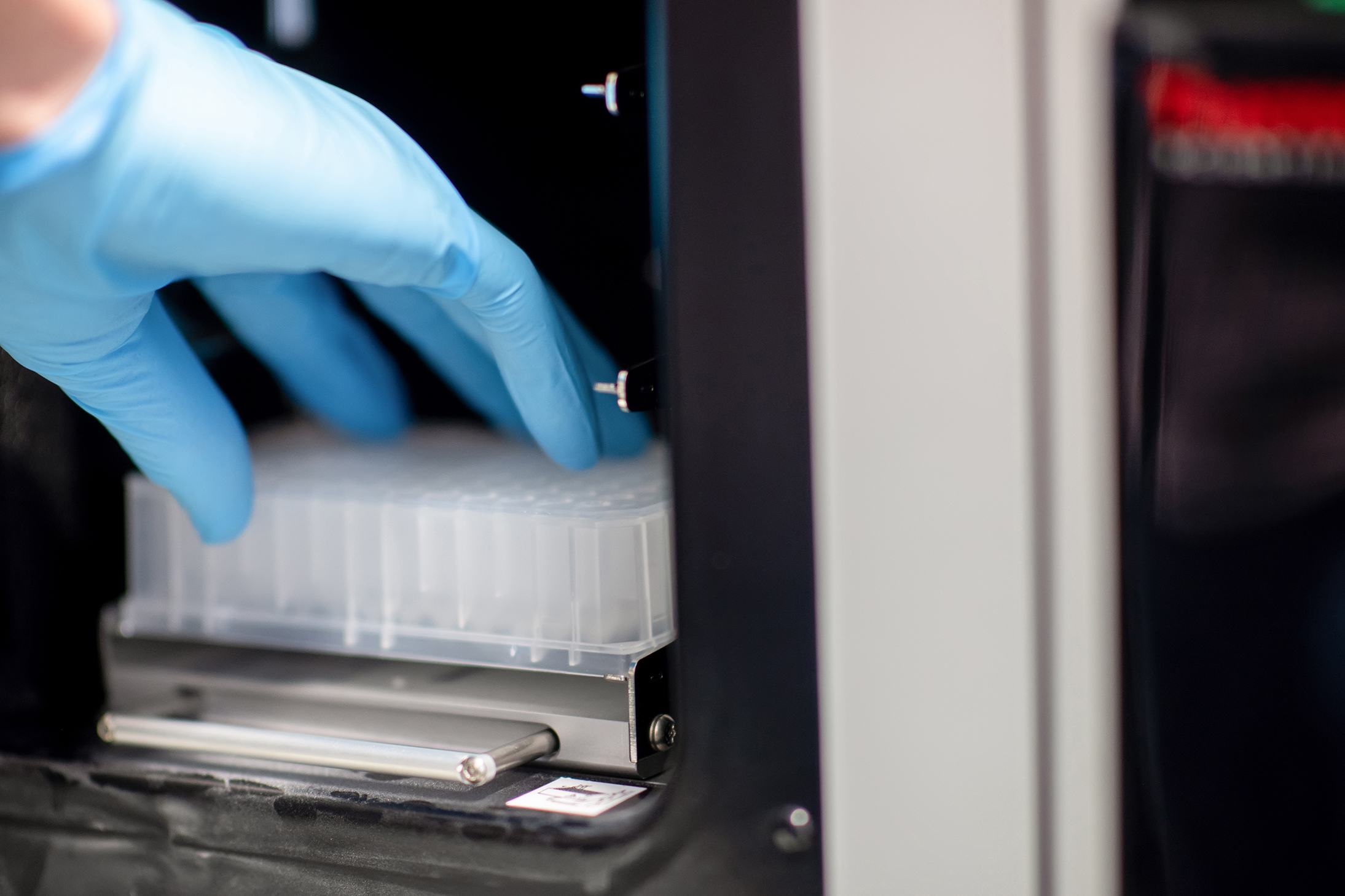
The radiolabeled metabolite identification study is performed by fractionating samples into 96-well plates using a liquid chromatography (LC) method, followed by measurement of radioactivity in each fraction with a β-plate reader. This approach enables the generation of radiochromatograms and metabolite profiles. In parallel, samples are analyzed by high-resolution mass spectrometry (HRMS) using the same LC method to enable structural identification of metabolites corresponding to the detected radiochromatographic peaks.
The key advantage of using a radiolabeled compound for metabolite identification (MetID) is that it enables the generation of a truly quantitative metabolite profile. In contrast, mass spectrometry–based detection generally provides only semi-quantitative profiles, as MS response factors vary among different compounds and metabolites, whereas the response of a radiolabel is uniform and independent of chemical structure. As a result, radiolabeling provides greater confidence that metabolites are not missed due to insufficient MS sensitivity and that the relative proportions of major metabolites are not distorted by differences in detection efficiency.

Do you have in vivo samples available, or are you planning in vivo toxicology or pharmacology studies? If you are interested in applying in vivo metabolite identification (MetID) using cold (non-radiolabeled) compounds or radiolabeled material, contact our team to learn how vivo metabolite profiling can be seamlessly integrated into your ADME and drug metabolism strategy.